What a Level 2 Chimney Inspection Actually Finds and Why Waiting Costs More Than the Inspection
Homeowners in Scarsdale, NY, may not think about a chimney inspection until the next heating season approaches. However, waiting until fall to check for damage can leave less time to arrange repairs before the fireplace is needed. A Level 2 chimney inspection provides a more detailed assessment than a basic visual inspection, including an internal video scan of the flue. It can help identify damaged liner tiles, signs of a chimney fire, obstructions, and other conditions that may affect safe operation. Understanding what the inspection covers can help homeowners plan maintenance and make informed decisions about any recommended repairs.
What Makes It a Level 2 Chimney Inspection?
The Chimney Safety Institute of America (CSIA) and NFPA 211 describe three levels of chimney inspection, each with a different scope.
A Level 1 inspection is generally appropriate when the chimney and connected appliance remain in the same configuration and there are no known conditions requiring a more detailed assessment. It focuses on readily accessible portions of the system.
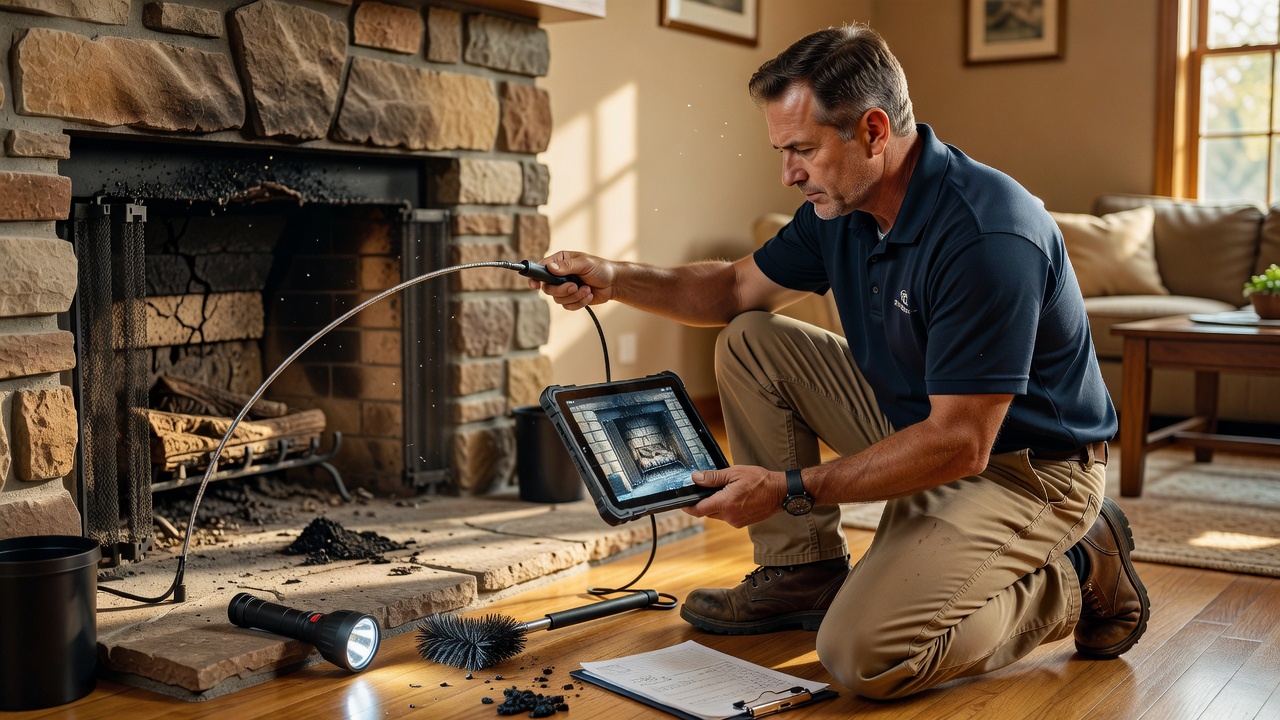
A Level 2 inspection includes the Level 1 examination and expands the assessment to accessible areas such as attics, crawl spaces, and basements where relevant. It also includes an internal video scan or similar examination of the chimney flue. This helps the inspector evaluate areas that cannot be assessed adequately from the fireplace opening alone.
A Level 2 inspection is recommended in circumstances such as a property transfer, a change in appliance or fuel, a chimney fire, or an event or malfunction that may have damaged the system. It is also appropriate when a less detailed inspection cannot establish whether the chimney is suitable for continued use.
A Level 3 inspection may be necessary when a suspected hazard cannot be fully evaluated without accessing concealed areas of the chimney or surrounding structure.
The appropriate inspection level depends on the circumstances. If you are buying or selling a home in Scarsdale, confirm the inspection requirements with your inspector, real estate professional, and any relevant local authority rather than assuming the same legal requirement applies to every transaction.
Common Problems a Level 2 Inspection Can Identify
A detailed inspection can reveal conditions that are not obvious from the ground or the fireplace opening. The findings vary by chimney, so an inspection should document the actual condition rather than assume that every older home has the same problems.
Cracked or Deteriorated Flue Liners
Clay tile liners can develop cracks, deteriorated joints, or displaced sections over time. Thermal cycling, moisture, and other forms of deterioration may contribute to damage. Metal liners can also develop problems depending on their condition, installation, and compatibility with the connected appliance.
An internal video scan can help the inspector document visible damage along the accessible flue interior. The appropriate repair depends on the extent and location of the damage, the liner type, and the appliance being vented.
Possible solutions may include a suitable localized repair, a new liner system, or another approved repair method. A full replacement is not automatically necessary whenever a crack is found. The inspector should explain the evidence and why a particular solution is recommended.
Signs of Chimney Fire Damage
A chimney fire can damage flue tiles, metal components, and other parts of the chimney system. Not every chimney fire produces obvious signs inside the home, so a lack of visible damage does not establish that the chimney is safe.
If you suspect a chimney fire has occurred, stop using the fireplace and arrange a professional assessment before using it again. The CSIA notes that the appropriate response may range from replacing damaged flue tiles to installing a new liner or undertaking more extensive repairs, depending on the inspection findings.
Do not assume that damaged liner sections can always be repaired with mortar or that a particular replacement system is appropriate for every chimney.
Deteriorated Chimney Crown or Cap
The chimney crown helps direct water away from the masonry around the flue. A chimney cap helps keep rain, debris, and animals out of the flue.
Cracks, deterioration, or missing components can allow moisture or debris to enter the chimney. Freeze-thaw cycles can worsen existing masonry damage when water enters cracks and freezes.
An inspection can help determine whether the crown, cap, flashing, or surrounding masonry needs attention. Minor defects and extensive deterioration require different approaches, so the recommended repair should reflect the actual condition.
Efflorescence and Water Intrusion
White staining on exterior brickwork may be efflorescence, which occurs when moisture carries dissolved salts to the masonry surface. It can indicate moisture movement, but it does not prove that the flue liner has been damaged.
The inspector should investigate possible sources of moisture, such as deteriorated mortar, crown defects, or flashing problems. Additional assessment may be needed to determine whether water has affected concealed components.
Repair options depend on the source. Repointing, crown repair, flashing work, or an appropriate masonry treatment may be considered when supported by the findings.
Smoke Chamber Defects
The smoke chamber sits above the firebox and directs smoke toward the flue. Its condition and construction can affect how the fireplace functions.
An inspection may identify deteriorated masonry, unsuitable surfaces, or other defects that warrant further evaluation. Depending on the findings, a qualified professional may recommend an appropriate repair or resurfacing method.
A camera scan of the flue does not necessarily reveal every detail of the smoke chamber. The inspector should explain which areas were examined and whether additional access is needed.
Obstructions and Displaced Materials
Chimneys can contain leaves, animal nesting material, debris, or fragments from deteriorating components. These obstructions may interfere with venting or indicate an underlying problem.
A Level 2 inspection can help document visible obstructions and their locations. The removal method depends on what is present and whether the obstruction is associated with damaged liner sections or other structural concerns.
Why Scheduling Can Affect Your Repair Options
Spring and summer can be convenient times to arrange an inspection because homeowners have an opportunity to evaluate the chimney after the heating season and plan any necessary work before fall. Early scheduling may also give you more time to compare estimates and coordinate repairs.
However, the calendar alone does not determine how serious a chimney problem is or how much it will cost to repair. A minor defect may remain limited, while other damage may require more extensive work. The appropriate response depends on the actual condition and whether the chimney is safe to use.
If an inspection identifies a possible safety hazard, do not delay the recommended assessment or continue using the fireplace simply because the repair is inconvenient to schedule. Ask the contractor whether the system should remain out of service until the issue is addressed.
Fall inspections are still worthwhile if you have not arranged one earlier. The important step is to have the chimney inspected at least once a year and to complete cleaning, maintenance, and repairs when necessary.
Can Regular Maintenance Help Prevent Problems?
Routine maintenance can help identify issues before they become more extensive, although it cannot prevent every form of chimney damage.
The CSIA follows NFPA 211 guidance recommending annual chimney inspections, with cleaning and repairs performed when necessary. The need for cleaning depends on factors such as fuel type, usage, deposits, and the condition of the system. An annual inspection does not automatically mean every chimney needs to be swept annually.
Homeowners can also take practical steps to maintain their chimneys:
Arrange professional inspections at least once a year.
Have combustible deposits removed when necessary.
Address water intrusion and deteriorating masonry.
Keep the chimney cap and other components in suitable condition.
Arrange an appropriate inspection after a suspected chimney fire or damaging event.
Keep inspection reports and repair records for future reference.
A Level 2 inspection is a diagnostic assessment, not a predetermined repair package. Its purpose is to help establish the chimney’s condition and identify what work, if any, is appropriate.
Choosing a Chimney Inspection Provider in Scarsdale, NY
Before hiring a chimney professional, ask about relevant training, current CSIA certification if advertised, insurance, and experience with your type of chimney. Request a written explanation of the proposed inspection level and what areas will be examined.
For a Level 2 inspection, ask whether internal video scanning is included and whether you will receive photographs, video, or other documentation of the findings. If the inspector cannot access a particular area, the report should explain the limitation.
If repairs are recommended, request an itemized estimate that identifies the observed problem, proposed method, materials, and any additional work that may be required. Consider a second opinion before authorizing a major repair if the evidence or explanation is unclear.
Homeowners can also use the CSIA website to learn about chimney safety and locate certified professionals.
New Rochelle Chimney and Chimney Experts in Port Chester are mentioned as regional providers in the original article. Before including either business as a recommendation, verify its current service area, credentials, and relevant services.
Schedule a Level 2 Chimney Inspection in Scarsdale
If you are preparing for the next heating season, buying or selling a home, or concerned about possible chimney damage, a professional assessment can help you understand the system’s condition. A Level 2 inspection may be appropriate when a more detailed examination is needed, including an internal scan of the flue and an assessment of accessible surrounding areas.
Schedule early when possible so you have time to review the findings and arrange any necessary work. If you suspect a chimney fire or another condition that could make the system unsafe, stop using the fireplace and seek professional guidance promptly.
A documented inspection, a clear explanation of the findings, and an itemized repair estimate can help you make informed decisions about your chimney without assuming that every inspection will lead to expensive repairs.
Related from Chimney Experts in Scarsdale: Chimney Sweep in Scarsdale, NY · Chimney Inspection in Hartsdale, NY
Pingback: What to Look for When Hiring a Chimney Sweep in Edgemont, NY - Chimney Experts in Scarsdale