
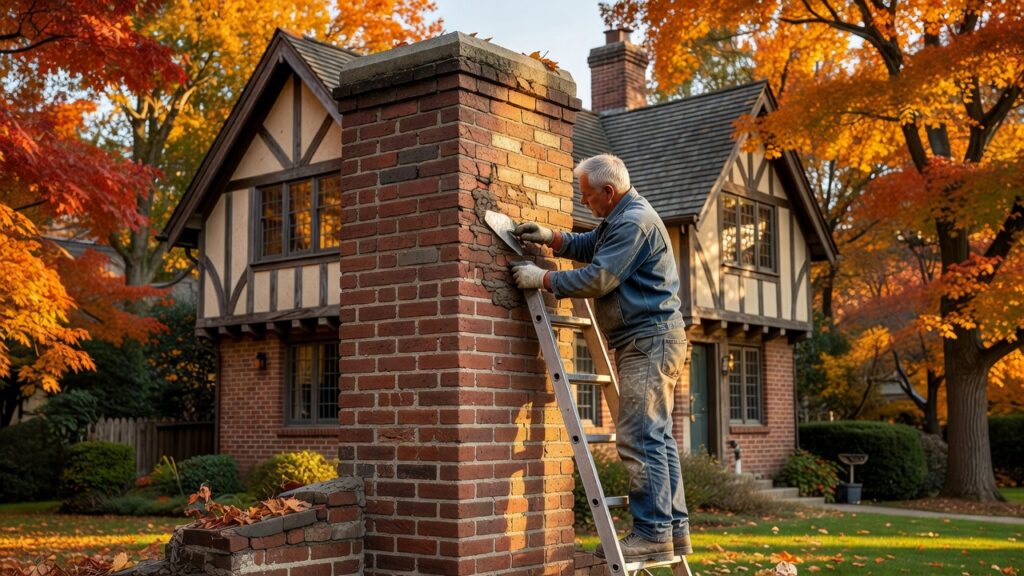
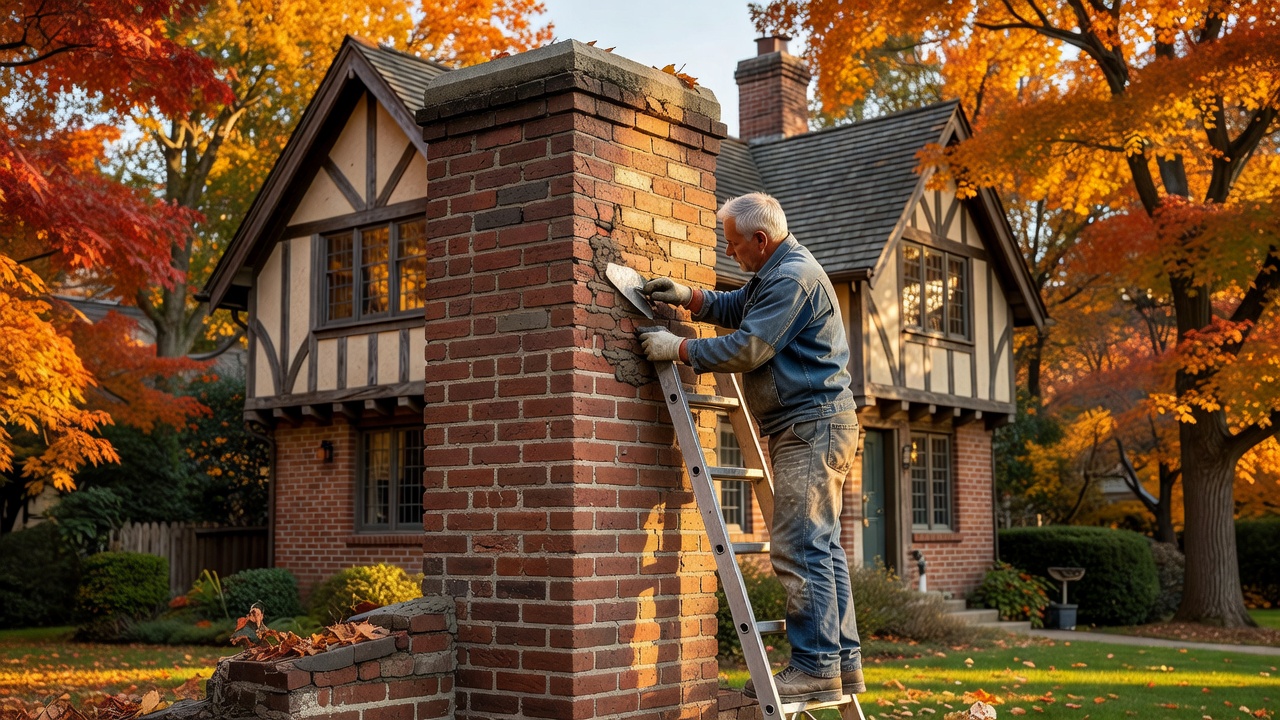
Chimney Repair in Scarsdale, NY
Chimney repair covers work that restores a chimney’s structural condition and helps it vent combustion gases safely. Depending on the inspection findings, repairs may include replacing a damaged flue liner, rebuilding a deteriorated chimney crown, repointing mortar joints, repairing a firebox, or correcting damaged flashing. These problems should not be ignored. A compromised chimney can allow water into the home, interfere with proper venting, or create pathways for heat and combustion gases to reach nearby building materials. Addressing defects promptly can help prevent further deterioration and reduce the risk of more extensive repairs.
Why Scarsdale Chimneys Need Regular Attention
Scarsdale has a mix of older homes and newer residential construction. The village’s architectural history includes a substantial period of residential development during the early 20th century, and many homes from that era remain in use today. Older masonry chimneys may need attention as mortar, brick, crowns, and other components age. However, a home’s construction date alone does not establish that its chimney is damaged. An inspection is needed to determine its actual condition.
Freeze-thaw weather can also affect masonry. When water enters cracks or porous materials and freezes, expansion can contribute to cracking, flaking, and deterioration. Damaged mortar joints and spalling bricks should be evaluated before the condition spreads.
Flashing is another area worth checking. It forms the weather-resistant connection between the chimney and the roof. If flashing separates, corrodes, or is improperly installed, water may enter the roof assembly or surrounding structure. A ceiling stain near a fireplace can have several possible causes, so the chimney-to-roof connection should be considered as part of a broader inspection.
What Chimney Repair Can Include
The right repair depends on the chimney’s construction, appliance, and inspection findings. Some problems can be corrected with localized work. Others require more extensive repairs or a replacement system.
Tuckpointing and repointing: Deteriorated mortar is removed and replaced with compatible mortar. The replacement material should suit the existing masonry. Mortar that is unnecessarily hard can damage softer historic brick rather than protect it.
Chimney crown repair or replacement: The crown covers the top of a masonry chimney and helps direct water away from the structure. Small defects may be repairable, while extensive cracking or deterioration may require rebuilding.
Flue liner repair and relining: A damaged liner can compromise the chimney’s ability to contain and vent combustion gases. Depending on the appliance and chimney design, repair options may include an appropriate liner system or a different approved relining method.
Firebox repair: Damaged firebrick or refractory panels may need replacement with materials designed for high-temperature use. Ordinary construction brick is not a substitute for suitable firebox materials.
Flashing repair and replacement: Damaged step flashing or counter-flashing may need to be repaired or replaced to address water entry around the roofline.
Spalling brick replacement: Bricks that are severely cracked, flaking, or deteriorated may need replacement. The surrounding masonry should also be assessed to identify the source of the damage.
Chimney cap installation: A properly selected and installed cap can help keep rain, debris, and animals out of the flue. The cap must be appropriate for the chimney and appliance.
How a Chimney Repair Project Should Be Managed
A repair should begin with an inspection rather than an assumption about the cause of the problem. A technician should assess accessible masonry, the chimney crown, flashing, firebox, liner, and other relevant components.
A Level 2 inspection may be appropriate when conditions have changed, such as after an appliance or fuel conversion, following a chimney fire or other potentially damaging event, or when a Level 1 inspection cannot adequately establish the system’s condition. It includes examination of accessible portions of the chimney and a video scan of the flue interior when applicable.
A Level 2 inspection is not automatically required for every repair involving a flue. The inspection level should be based on the circumstances and the applicable inspection standard. After a chimney fire, for example, CSIA recommends an internal video inspection to evaluate possible damage to flue tiles and mortar joints.
Once the findings are documented, the contractor should explain which repairs are necessary, which conditions can be monitored, and whether the chimney should remain out of service until the work is completed. Ask for photographs or video documentation when hidden areas are involved.
Scheduling Repairs Around Weather
Masonry work needs appropriate temperature and moisture conditions. When temperatures fall below 40°F, additional cold-weather procedures may be necessary to protect mortar and newly completed masonry. Work is not automatically impossible below that temperature, but the contractor must follow applicable construction guidance and the material manufacturer’s instructions.
Refractory mortar and other firebox repair products can have different application and curing requirements. Some require air drying followed by a controlled heat-curing process. There is no single cure time that applies to every product or repair. Follow the instructions for the specific material and do not use the fireplace until the contractor confirms it is safe.
After repairs are completed, request documentation describing the work and any follow-up recommendations. If roofing materials were disturbed during flashing work, ask the contractor to confirm that the roof connection has been properly restored.
When Scarsdale Homeowners Should Consider Chimney Repair
Several situations may justify arranging an inspection:
Visible masonry deterioration: Loose mortar, cracked bricks, flaking surfaces, or a damaged crown may indicate water-related or structural problems.
Water stains near the chimney: Moisture around a fireplace, ceiling, or attic may be related to flashing, the crown, masonry, or another roof defect.
Smoke or draft problems: Smoke entering the room, unusual odors, or poor draft should be investigated before the fireplace is used again.
A recent chimney fire or damaging event: A potentially damaging event calls for an appropriate inspection before the system returns to service.
A change to the heating appliance: Replacing an appliance or changing fuel type can affect venting requirements and may require a more detailed chimney inspection.
An older chimney with no recent inspection record: If you have recently purchased a home or do not know the chimney’s maintenance history, arranging an inspection is a sensible first step.
Do not continue using a fireplace if smoke is entering the living space, a carbon monoxide alarm activates, or a professional identifies a condition that makes operation unsafe. Leave the area and follow emergency guidance when a carbon monoxide alarm sounds.
Choosing a Chimney Repair Contractor in Scarsdale
Before hiring a contractor, ask for a written description of the recommended work, the materials to be used, the estimated cost, and the expected schedule. For masonry repairs, ask how the contractor will match the mortar to the existing brick. For liner work, ask why the proposed liner type is appropriate for the connected appliance.
Homeowners should also verify the contractor’s credentials and insurance. Westchester County provides an online consumer license search where residents can check whether a home improvement contractor is licensed. Confirm that the contractor’s license covers the work being offered.
Ask whether the company performs the work with its own employees or uses subcontractors. If subcontractors are involved, clarify who is responsible for permits, supervision, insurance, and the completed work.
Frequently Asked Questions About Chimney Repair in Scarsdale
My chimney looks fine from the outside. Do I still need an inspection?
Possibly. Some defects, particularly cracks or separations inside a flue liner, may not be visible from the ground. An inspection can help determine whether the chimney is suitable for continued use and whether a more detailed evaluation is needed. A Level 2 video inspection may be appropriate when the circumstances call for it, but it is not automatically necessary for every chimney.
How long does chimney repair take, and can I use my fireplace the same day?
The schedule depends on the repair. A cap replacement or limited flashing repair may take less time than relining a flue or rebuilding a chimney crown. Mortar and refractory repairs may also require additional drying, curing, or heat-up time.
Do not rely on a general 24- or 48-hour rule. The contractor should explain the required waiting period based on the material, weather conditions, and repair instructions. Use the fireplace only after the contractor confirms that it is ready for operation.
How much does chimney repair cost in Scarsdale?
The price depends on the type and extent of damage, chimney height, accessibility, materials, and labor. A cap replacement, localized repointing, liner installation, and chimney rebuild are very different projects.
A reliable estimate should follow an inspection and describe the proposed work. Ask for a written estimate that separates labor, materials, additional work, and any applicable permit costs. Avoid relying on a single price range for a repair before the chimney has been assessed.
Schedule Chimney Repair in Scarsdale, NY
If you have noticed loose mortar, damaged brick, water stains, draft problems, or recommendations from a previous inspection, arrange a professional assessment before using the fireplace. A qualified contractor can identify the cause of the problem, explain which repairs are necessary, and provide a written estimate.
Contact a chimney repair company serving Scarsdale and the surrounding Westchester communities to ask about inspection availability, repair experience, licensing, and insurance. With a clear assessment and a suitable repair plan, you can address chimney problems before they become more extensive.
Related from Chimney Experts in Scarsdale: Chimney Sweep in Scarsdale, NY · What a Level 2 Chimney Inspection Actually Finds and Why Waiting Costs