Chimney Inspection in Hartsdale, NY: What the Job Actually Involves
A chimney inspection in Hartsdale, NY, is a systematic assessment of the chimney’s condition, including its accessible structure, flue, fireplace, and connections to the heating appliance. The inspection level determines how extensive the assessment needs to be. A basic inspection may involve a visual examination of accessible areas, while a Level II inspection includes additional checks and an internal flue scan when feasible. The time required depends on the chimney’s design, accessibility, condition, and the inspection being performed.
Many homeowners have questions about what an inspection covers, which level they need, and what happens if a problem is found. Understanding the process helps you know what to expect and how to evaluate a contractor’s recommendations.
A Chimney Inspection Is More Than Looking Inside the Firebox
Looking into the fireplace can reveal some problems, but it cannot show the full condition of the chimney. Depending on the inspection level and the system’s design, a professional may examine the firebox, damper, smoke chamber, flue liner, exterior masonry, chimney crown, flashing, and other accessible components.
The National Fire Protection Association’s NFPA 211 standard recognizes three levels of chimney inspection. Each level has a different scope.
Level I inspection: This is generally appropriate when the chimney and connected appliance are being used as before, with no relevant changes to the system and no known reason to suspect damage. The inspection covers readily accessible portions of the chimney and connected appliance.
Level II inspection: This includes the Level I assessment, along with additional accessible areas such as spaces where the chimney passes through an attic, basement, or crawl space. It also includes an internal examination of the flue, typically using video scanning. A Level II inspection is called for in situations such as a property sale or transfer, certain appliance or system changes, and events that may have damaged the chimney.
Level III inspection: This is the most extensive level and may involve removing components or accessing concealed areas when serious damage is suspected and cannot be adequately evaluated through a Level I or Level II inspection.
The right inspection level depends on the circumstances, not simply the age or style of the house. Older homes may have a history of repairs or appliance conversions, but those details should guide the assessment rather than automatically determine the inspection level.
Which Chimney Inspection Level Do You Need?
Homeowners sometimes request a basic inspection without knowing whether it will address their concerns. A qualified chimney professional should ask how the system has been used, whether any appliances have changed, and whether there have been signs of damage.
If you are buying or selling a home in Hartsdale, ask about a Level II inspection. NFPA 211 identifies a property sale or transfer as a circumstance calling for this inspection level. Confirm the scope with the chimney professional and make sure it fits the requirements of your transaction.
A Level II inspection is also appropriate in circumstances involving certain appliance changes or suspected damage. For example, replacing an appliance with a different type or changing the fuel used may affect whether the existing chimney and venting system remain suitable. A chimney fire or another event that may have caused damage also warrants professional evaluation.
Tell the inspector about symptoms such as smoke entering the room, visible masonry deterioration, staining, or changes in fireplace performance. These details help the professional decide what areas need closer attention.
What Happens If the Inspector Finds a Problem?
An inspection does not automatically mean that repairs are necessary. Some chimneys may be in satisfactory condition, while others may need cleaning, maintenance, or specific repairs.
Possible findings include deteriorated mortar, damaged brickwork, a damaged chimney crown, flashing problems, obstructions, creosote deposits, or defects in the flue liner. The recommended next step depends on the finding and its severity.
Ask for a written report that explains the observations and identifies any recommended work. Photographs can help document visible defects, and video footage may be useful when a Level II inspection includes a flue scan.
If a contractor recommends a major repair, such as replacing the liner, ask which defect supports that recommendation and whether the report documents it. You can request clarification or a second opinion if the explanation is unclear.
Repair costs depend on the type of defect, the materials involved, access to the chimney, and the amount of work required. An inspection report can help establish the scope, but a contractor may need additional evaluation before providing a final repair estimate.
Gas Fireplaces Need Inspections Too
Homeowners sometimes assume that gas fireplaces and appliances need less attention because gas generally produces less soot than wood. However, gas-burning systems can still develop venting problems, obstructions, or deterioration that affects safe operation.
The Chimney Safety Institute of America recommends annual inspections for chimneys, fireplaces, and vents regardless of fuel type. Inspection and cleaning are separate decisions: a system may need an inspection without needing to be cleaned, while cleaning or repairs should be performed when the findings indicate they are necessary.
Homes with older gas appliances or previous fuel conversions deserve particular attention to whether the appliance, connector, vent, and chimney are compatible and in suitable condition. Do not assume that a liner needs replacement based only on its age or material. Its condition, intended application, and the appliance manufacturer’s requirements should guide the recommendation.
When Should You Schedule a Chimney Inspection?
Fall is a popular time to arrange chimney service, so appointments may be harder to secure as colder weather approaches. However, homeowners do not have to wait until fall to schedule an inspection. Spring and summer can also be practical times to assess the chimney and arrange necessary repairs before the next heating season.
If you suspect damage, have experienced a chimney fire, or are changing a connected appliance, do not delay the assessment simply because it is outside the usual heating season. Stop using a fireplace if you suspect a chimney fire or a serious safety problem until it has been professionally evaluated.
For a home purchase or sale, coordinate the inspection with the transaction’s deadlines. Contact the inspector early enough to allow time for the inspection, report, and any additional evaluation that may be needed.
What to Expect During the Appointment
The process generally begins with a conversation about the fireplace or appliance, how it is used, and any concerns you have noticed. The inspector then examines the accessible components within the scope of the selected inspection level.
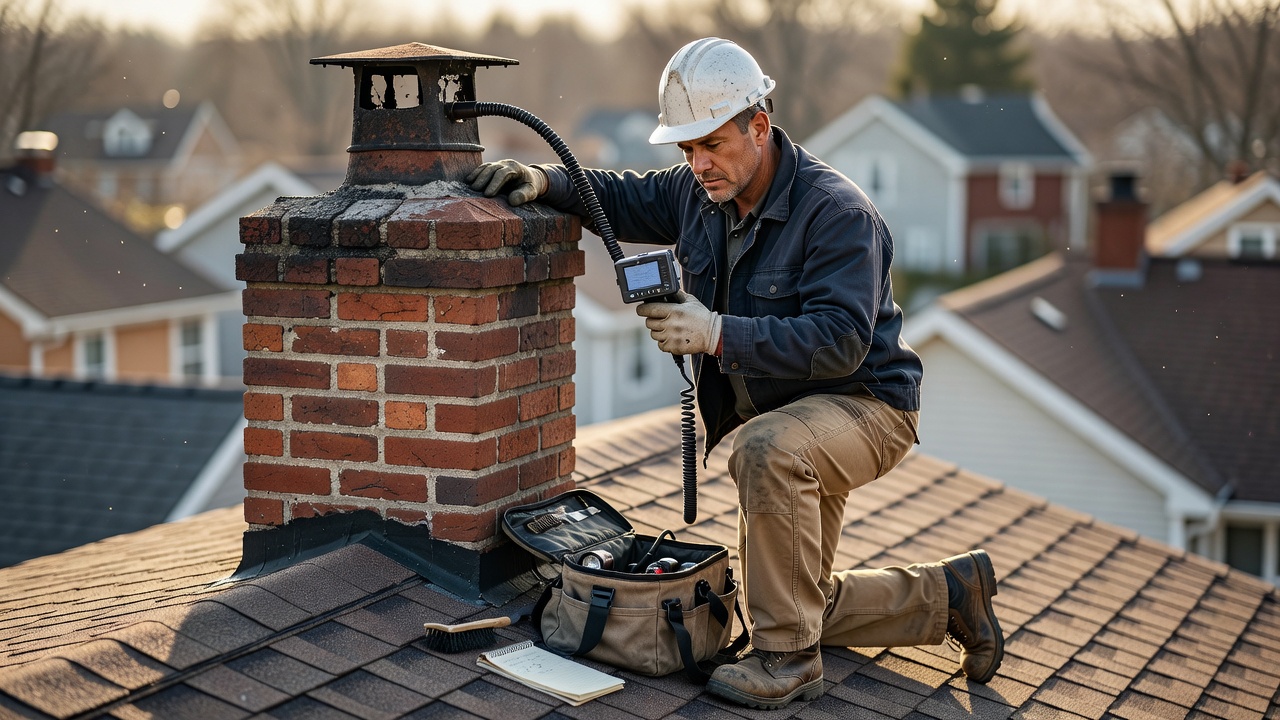
Depending on the system and inspection level, this may include checking the firebox, damper, flue, exterior masonry, crown, and flashing. A Level II inspection also involves examining additional accessible areas and conducting an internal flue scan when feasible. Roof access depends on safety, accessibility, and the work required.
Before the appointment ends, ask the inspector to explain any significant findings and what they mean for continued use. Request the written report and clarification of any recommended cleaning, maintenance, or repairs. You should understand the reason for each recommendation before agreeing to additional work.
For homeowners in Hartsdale and throughout Westchester County, an annual chimney inspection is a practical way to identify deterioration, obstructions, and other issues that may not be visible from the fireplace opening. If it has been more than a year since your last inspection, or if your home has recently changed ownership or undergone an appliance conversion, contact a qualified chimney professional to determine the appropriate inspection level.
Lawrence Chimney and Chimney Experts in Rye are additional providers to consider after confirming their current service areas and the services they offer. When comparing providers, look for relevant qualifications, a clearly explained inspection scope, and a written report of the findings.
Related from Chimney Experts in Scarsdale: Warning Signs Your Ardsley Chimney Needs a Sweep Before Something Goes · Chimney Repair Greenburgh NY · When to Schedule a Chimney Sweep in Larchmont and the Timing Mistakes