
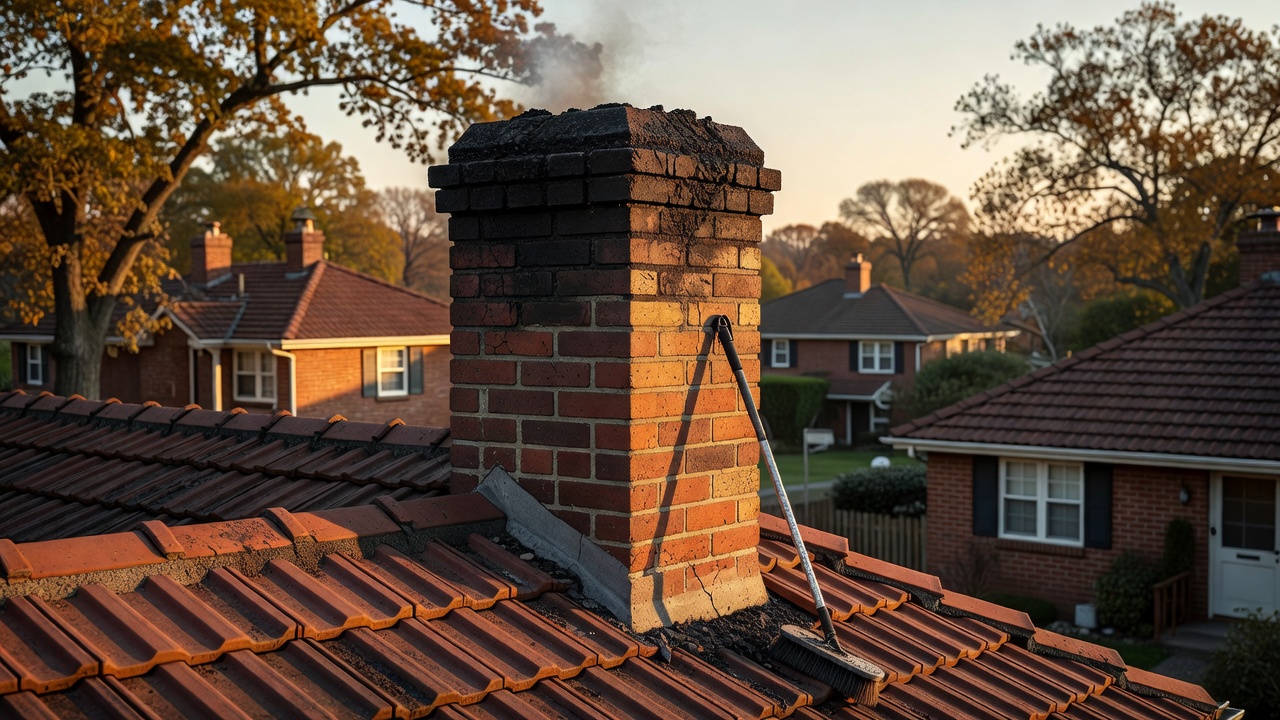
Warning Signs Your Ardsley Chimney Needs a Sweep Before Something Goes Wrong
A chimney can look perfectly fine from the street while creosote, blockages, or damage develop inside the flue. These problems may affect how smoke escapes from your home and, in some cases, increase the risk of a chimney fire or carbon monoxide exposure.
For homeowners in Ardsley, NY, recognizing changes in fireplace odors, smoke patterns, and visible masonry can help identify when professional attention is needed. The National Fire Protection Association recommends having chimneys inspected at least once a year, with cleaning and repairs completed as necessary. Here are the warning signs to watch for and when to call a chimney professional.
Why Chimney Maintenance Matters in Ardsley
Chimneys are exposed to weather, moisture, and repeated heating and cooling. Over time, these conditions can contribute to deteriorating mortar, damaged brick, and problems with the chimney liner. Wood-burning fireplaces can also accumulate creosote, a combustible byproduct of burning wood.
A chimney that was inspected several years ago may have developed new problems since its last service. Even a fireplace used only occasionally can develop obstructions from nesting animals or experience deterioration that is not visible from outside.
Annual inspections help identify these issues before they become more serious. A professional can assess the chimney’s condition and determine whether it needs sweeping, repairs, or a more detailed inspection.
Signs That Mean You Should Call a Chimney Professional
1. White Staining on Exterior Masonry
White, chalky deposits on chimney bricks are often called efflorescence. They form when moisture moves through masonry and leaves soluble salts behind as the water evaporates.
Efflorescence does not automatically mean the chimney is structurally damaged, but recurring deposits can indicate a moisture problem. Water entering through damaged mortar joints, flashing, or the chimney crown can contribute to further deterioration.
What to do: Arrange an assessment if the staining keeps returning, spreads, or appears alongside cracked mortar or damaged brick. A professional can investigate the source of the moisture rather than simply remove the visible residue.
2. A Strong, Persistent Fireplace Odor
A smoky, tar-like smell coming from a fireplace, particularly during warm or humid weather, may be associated with creosote deposits. Changes in indoor air pressure can also draw chimney odors into the house.
Creosote can range from loose, flaky material to hard, glazed deposits. Because it is combustible, significant buildup deserves attention. However, odor alone cannot establish how much creosote is present or whether the chimney is safe to use.
What to do: Arrange an inspection if the smell persists or returns. A professional can assess the deposits and determine whether cleaning or another corrective measure is needed. Do not rely on deodorizing products to replace chimney maintenance.
3. Dark Stains Around the Fireplace Opening
Black or brown marks above the fireplace opening, on nearby walls, or on the ceiling may indicate that smoke or soot is entering the living space instead of venting outdoors.
Possible causes include a blocked flue, a draft problem, a damper issue, or another problem with the fireplace or venting system. The staining alone cannot identify the exact cause, but it should not be ignored.
What to do: Stop using the fireplace if smoke spills into the room or new staining appears during operation. Arrange a professional assessment before using it again. If a carbon monoxide alarm sounds or anyone may be experiencing carbon monoxide exposure, leave the home and contact emergency services.
4. Broken Tile or Masonry Pieces Inside the Firebox
Small pieces of clay tile, mortar, or other masonry material inside the firebox may indicate deterioration of the chimney liner or surrounding structure.
The liner helps contain combustion gases and protects adjacent materials from heat. If it becomes cracked, displaced, or damaged, the chimney may no longer provide the intended protection.
What to do: Stop using the fireplace if you find fallen liner fragments or suspect damage. Arrange a professional inspection to determine the extent of the problem and whether repairs or relining are necessary.
5. A Damper That Sticks or Shows Significant Rust
A damper controls airflow through the fireplace when it is not in use. Corrosion, debris, or mechanical damage can prevent it from opening or closing properly.
A damper that does not open fully may interfere with smoke venting. A damper that does not close properly can also contribute to unwanted drafts when the fireplace is not being used.
What to do: Have a stuck, severely corroded, or malfunctioning damper assessed before using the fireplace. Do not light a fire if the damper cannot open fully as required for safe operation.
6. Animal Sounds or Nesting Debris in the Chimney
Scratching, unusual sounds, or twigs falling into the firebox may indicate that an animal has entered the chimney. Nesting material and other obstructions can interfere with venting and create a hazard if the fireplace is used.
Some birds, including chimney swifts, are protected under federal law. Active nests, eggs, and dependent young may be legally protected, so removal must be handled appropriately.
What to do: Do not light a fire if you suspect an obstruction. Contact a qualified professional who can assess the chimney and determine how to address the problem without unlawfully disturbing protected wildlife.
Signs to Monitor Closely and Address Early
Hairline Cracks in Exterior Mortar
Small mortar cracks may be an early sign of masonry deterioration. Moisture can enter through damaged joints, and repeated freezing and thawing may worsen existing damage.
Not every hairline crack requires an immediate major repair, but its location, size, and progression matter.
What to do: Photograph visible cracks from a safe location and arrange an assessment if they widen, spread, or appear alongside loose bricks or missing mortar. Avoid climbing onto the roof to inspect them yourself.
Smoke Odor During or After a Fire
A brief smoky odor can have several causes, including a cold flue or changing indoor air pressure. However, recurring smoke smells may also indicate restricted airflow or a venting problem.
What to do: If smoke enters the room, stop using the fireplace until the cause is identified. If you notice only an occasional odor without visible smoke, mention it when arranging an inspection rather than assuming it is harmless.
Spalling or Flaking Brick
Spalling occurs when the face of a brick flakes, chips, or breaks away. Moisture exposure and freezing temperatures can contribute to this deterioration, although the cause should be confirmed through an assessment.
Damaged brick can expose more of the masonry to moisture and may indicate a wider problem with the chimney stack.
What to do: Arrange an inspection if brick faces are breaking away or debris is accumulating near the chimney. The appropriate repair may involve replacing individual bricks, repairing mortar joints, or addressing another source of moisture.
What Does a Professional Chimney Sweep in Ardsley Do?
A chimney sweep assesses the system, identifies deposits or obstructions, and determines whether cleaning or further inspection is needed. The work may include examining accessible portions of the firebox, damper, smoke chamber, liner, and chimney exterior.
The inspection level depends on the circumstances:
Level 1: Generally suitable for routine inspection when the system’s use has not changed and there are no known issues requiring a more detailed assessment.
Level 2: Used in circumstances such as a property sale or transfer, a change in appliance or fuel, or suspected damage following a chimney fire or other event. It includes additional accessible areas and an internal video examination of the flue when required by the applicable standard.
Level 3: May be necessary when a suspected hazard cannot be adequately evaluated through a less invasive inspection and additional access to concealed areas is needed.
Cleaning and inspection are related but distinct tasks. A chimney may need cleaning to remove deposits, while a damaged liner or deteriorating masonry may require separate repairs.
Ask the professional to explain the findings, provide photographs or video when available, and give you a written estimate for recommended work. The cost will depend on the chimney’s condition, accessibility, the service required, and any repairs identified.
Schedule a Chimney Inspection in Ardsley, NY
White masonry stains, persistent odors, smoke entering the room, fallen liner pieces, a malfunctioning damper, animal activity, and deteriorating brick can all indicate that your chimney needs attention. Some signs point to possible moisture problems, while others may affect safe venting and should be addressed before the fireplace is used again.
If your chimney has not been inspected in the past year, or you have noticed any of these warning signs, contact a qualified chimney professional serving Ardsley and the surrounding Westchester County communities. Ask about the inspection scope, any applicable fee, and whether cleaning or repairs will be quoted separately.
Addressing chimney problems early can help you understand the condition of your system and make informed decisions about maintenance and repairs before the next heating season.
Related from Chimney Experts in Scarsdale: When to Schedule a Chimney Sweep in Larchmont and the Timing Mistakes · Chimney Repair Greenburgh NY · What New Rochelle Homeowners Should Know About Fireplace Inspection
Pingback: Dryer Vent Cleaning in Scarsdale, NY: Warning Signs You Shouldn't Ignore - Chimney Experts in Scarsdale