
What New Rochelle Homeowners Should Know About Fireplace Inspection
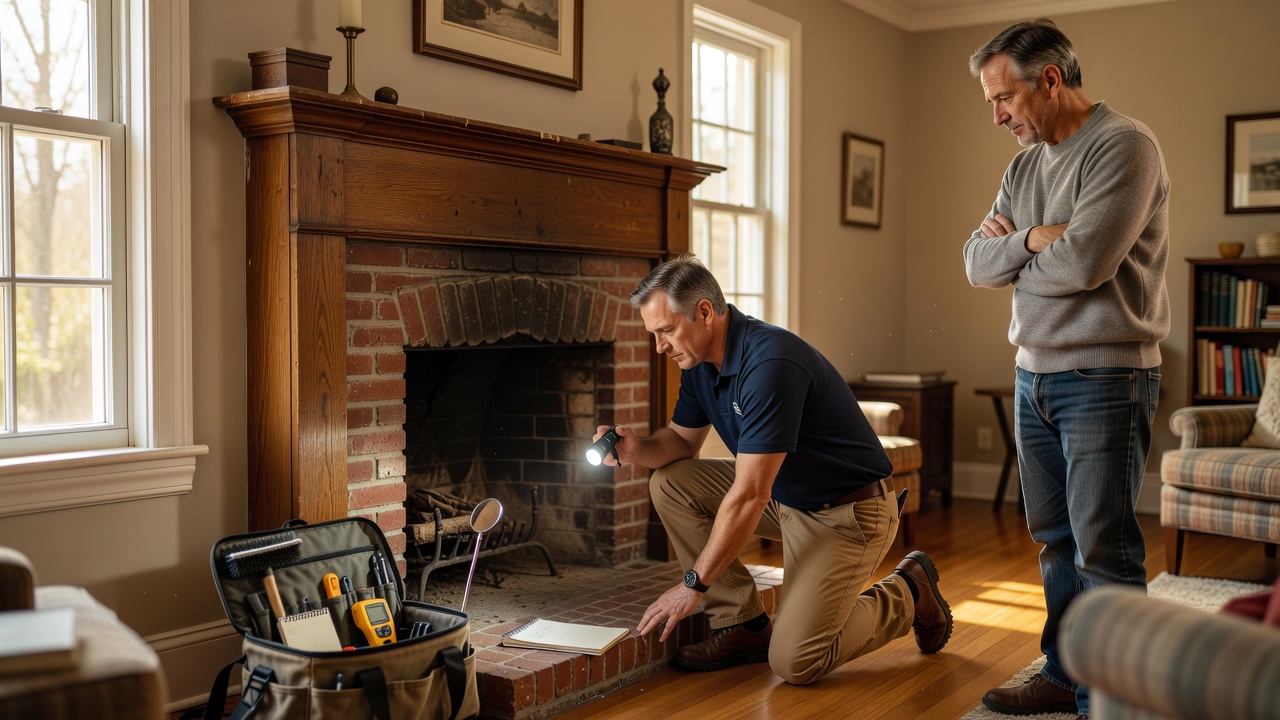
A fireplace inspection tells you the actual condition of your firebox, flue, and chimney structure before you light your first fire of the season. For most New Rochelle homes many of them built decades ago with masonry chimneys that have seen hard winters an annual inspection is the baseline, not a luxury. What you find, and what it costs to fix, depends entirely on what the inspection uncovers.The Right Time to Book and What Happens When You Wait
Late summer and early fall are the sweet spot. September in particular tends to be ideal in New Rochelle: the heavy demand of winter hasn’t hit yet, and if the inspection turns up something that needs repair a cracked flue tile, deteriorating mortar joints, a compromised damper there’s still time to get the work done before you need the fireplace. Book in October and you’re gambling. By November, most reputable chimney sweeps in Westchester are booked out two to three weeks, sometimes longer.
What does waiting actually cost? It’s not a number we can give you up front, because it depends on what’s wrong and how long a problem has been allowed to develop. A hairline crack in a flue tile that gets caught in September is a straightforward repair. That same crack, after a wet fall and a freeze cycle or two, can propagate into something that requires partial flue relining. The problem was the same the cost to fix it is not.
Six Problems We Commonly Find on New Rochelle Fireplace Inspections
Deteriorated mortar joints in the firebox. You’ll often see this as crumbling or missing mortar between the firebrick inside the firebox. It’s easy to dismiss as cosmetic, but the mortar in a firebox is refractory it’s designed to handle thermal cycling. When it fails, heat can reach the surrounding structure. Diagnosis is visual, but a pro will probe the joints to gauge depth of deterioration and assess whether the brick itself is compromised. The fix is repointing with refractory mortar, or full firebox rebuild if the damage is extensive. Catching it early matters significantly.
Cracked or separated flue tiles. NFPA 211 the standard most professional chimney inspectors work from is specific about this: any crack, fracture, or spalling in a flue liner is grounds for corrective action before use. The diagnostic step that matters here is a Level 2 inspection with camera scanning of the flue, not just a visual from the top or bottom. Cracks are often invisible without it. The fix depends on the condition: individual tile replacement if it’s isolated, partial or full relining if damage is widespread. Costs vary significantly depending on flue height, liner type, and access.
A damaged or stuck damper. A damper that won’t fully close wastes heat all winter. One that won’t open fully creates a draft problem and smoke rollout into the room. Both are diagnosable during a standard inspection a sweep will operate the damper manually, check the plate for warping or rust, and look at the frame seating. Replacement dampers (including top-mount throat replacements, which we often recommend for older New Rochelle masonry chimneys) vary in cost depending on firebox dimensions and installation complexity.
Creosote buildup. This one’s straightforward to diagnose but easy to underestimate. Stage 1 creosote the flaky, sooty deposits clean out in a standard sweep. Stage 2 is a harder, tarry buildup that requires rotary tools. Stage 3, the glazed deposits that can look almost shiny, is a fire hazard and a significant remediation job. What stage you’re dealing with tells you what you’re paying for. A homeowner who burns wet or green wood common enough around Westchester where people season their own wood will see faster creosote accumulation than someone burning dry hardwood.
Spalling or cracked masonry on the exterior chimney. New Rochelle gets the full range of freeze-thaw cycles every winter. Water gets into mortar joints, freezes, expands, and opens up the joint further. Year after year, this degrades the crown, the exposed mortar, and eventually the brick itself. The inspection looks at the crown condition, the flashing, and the mortar joints above the roofline. Repair recommendations whether that’s crown coat sealer, tuckpointing, or brick replacement should come out of what the inspector actually sees, not a predetermined menu. Costs vary significantly depending on how far deterioration has progressed.
Improper clearances or blocked flue from prior work. Older homes in New Rochelle and there are plenty of them in the Wykagyl and Stratton Road neighborhoods, built in the 1920s through 1950s sometimes have chimneys that were modified over the years. A gas insert added without a properly sized liner. A woodstove connector that doesn’t meet current clearance requirements. These issues don’t always announce themselves until something goes wrong. A Level 2 inspection, which the Chimney Safety Institute of America and NFPA 211 both call for when a property changes hands or an appliance is changed, is the right diagnostic tool here.
Can These Problems Be Prevented?
Most of them, yes at least slowed down significantly. Annual cleaning and inspection is the single most effective thing you can do. Burning only seasoned hardwood reduces creosote buildup. A quality chimney cap keeps rain and animals out, which protects the flue tiles and reduces moisture damage. A good crown coat or crown rebuild extends the life of the masonry. None of this eliminates the need for eventual repairs, but it spaces them out and catches problems when they’re still minor.
What we see consistently on inspection jobs around New Rochelle is that the homeowners with the smallest repair bills are the ones who’ve kept up with annual service. The ones with the large bills are often the ones who skipped a few years or bought a house without ordering an inspection first.
What an Inspection Actually Involves
A standard Level 1 inspection covers the accessible portions of the firebox, damper, and flue appropriate if nothing’s changed and the system has been maintained. Level 2 adds camera scanning of the flue interior and is recommended after any change in fuel type, appliance, or following a chimney fire. Level 3 involves opening up structure and is only warranted when the first two levels indicate hidden damage.
The inspection produces a written report of what was found. Repair recommendations should come directly from that report specific to your chimney’s condition, not a package deal. If a sweep can’t explain why a particular repair is needed based on what they observed, that’s worth asking about.
Our colleagues at Chimney Experts in Port Chester and Short Hills Chimney follow the same approach written findings, condition-based recommendations, no upselling.
Book Before the Rush
If you’re in New Rochelle and the fireplace hasn’t been inspected or swept since last season or you’re not sure when it was last done late summer is the time to call. Chimney Experts in Scarsdale serves the broader Westchester area, including New Rochelle. Get the inspection done now, get a written estimate for anything that needs attention, and go into heating season knowing where you stand.
Related from Chimney Experts in Scarsdale: Chimney Repair Greenburgh NY · When to Schedule a Chimney Sweep in Larchmont and the Timing Mistakes